

-
The European Commission has launched the call for proposals LIFE-2026-CET INDUSTRY, which seeks to create synergies between companies involved in the same processes.
-
Europe seems to have understood that we do not need more “signature prototypes”, but rather standardised business models and technological solutions.
-
Cooperation between companies involved in the same processes will be essential to optimise sustainable energy management in the industrial environment.
8 May 2026.
Sometimes, small steps are necessary to achieve major progress. This is the case with the LIFE-2026-CET-INDUSTRY programme published by the European Commission on 21 April. It is a programme which, due to its modest budget—only €7 million—may go unnoticed or seem irrelevant. But the true content of the programme goes far beyond the figure itself and focuses on the value of its objective: co-designing more agile and standardised sustainable energy solutions for industrial customers operating under the same processes.
The issue is not trivial. Historically, industrial energy management has suffered from excessive customisation. Each plant is an ecosystem, each thermal process a unique challenge. This reality has generated solutions that, while technically brilliant, become prohibitively expensive due to their lack of replicability.
Europe seems to have understood that we do not need more “signature prototypes”, but rather standardised business models and technological solutions. The objective of transitioning towards a model where efficiency follows the logic of E = f(C, R)—where success depends on Collaboration and Replicability—is the right path to ensure that SMEs in industry, and not only large corporations with oversized engineering departments, can participate in the decarbonisation process.
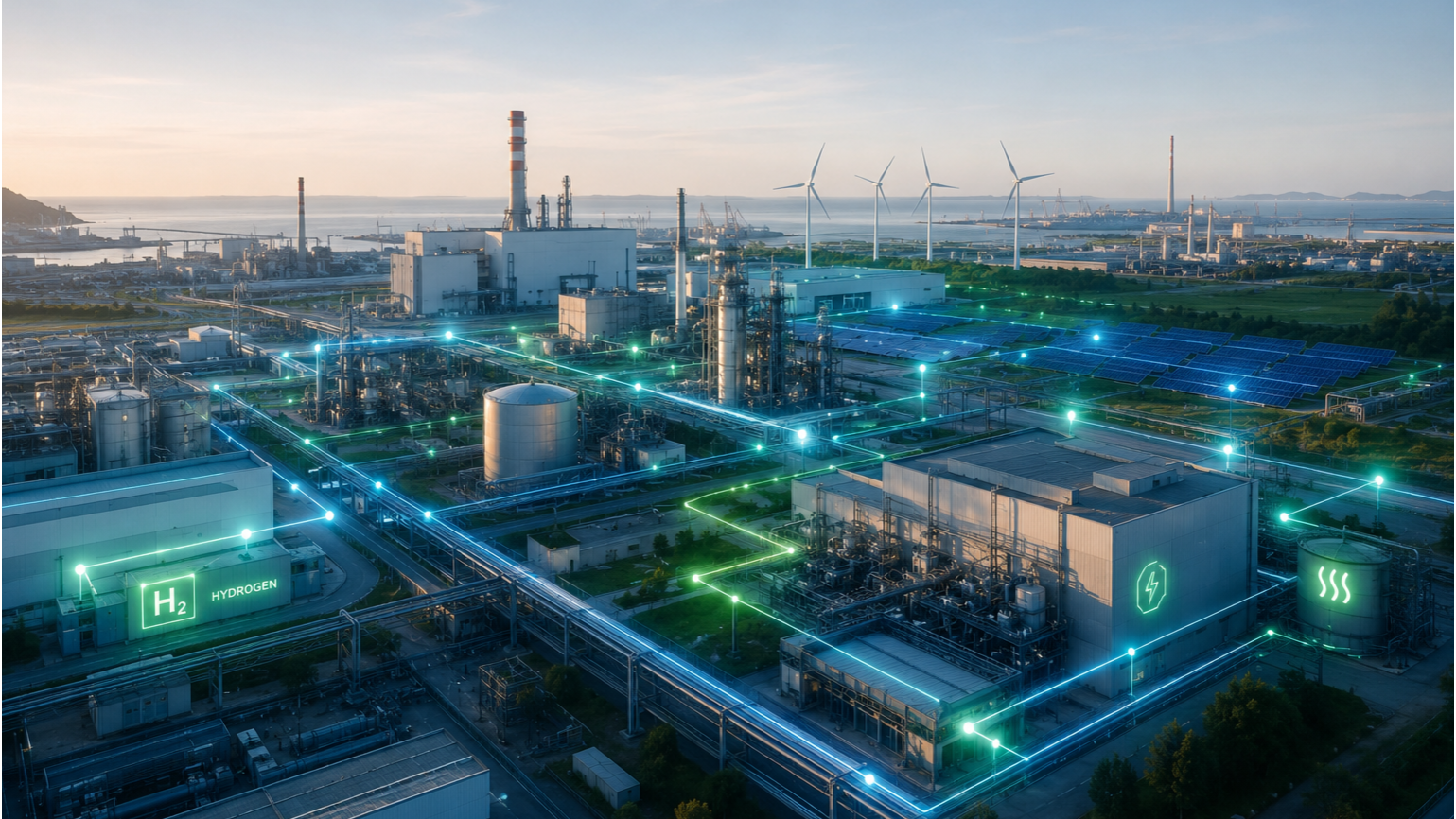
This objective is the framework for this call, which forms part of the Clean Energy Transition (CET) sub-programme, which within LIFE 2026 has a budget allocation of €85.5 million for coordination and support actions. Its stated goal is to accelerate the decarbonisation of the European industrial sector through two complementary pathways: collaboration between companies and technology providers, and energy cooperation in industrial clusters and port areas, in direct alignment with the requirements of the Energy Efficiency Directive and the Renewable Energy Directive.
It is clear that cooperation between companies involved in the same processes will be essential to optimise sustainable energy management in the industrial environment. And here, the Commission warns that there is no need to start from scratch, as there are already initiatives that could serve as examples, such as the agreement between the European Heat Pump Association and the Confederation of European Paper Industries, which promotes the integration of industrial heat pumps in paper drying processes to achieve energy savings of more than 50% and reduce emissions through the recovery of waste heat.