

-
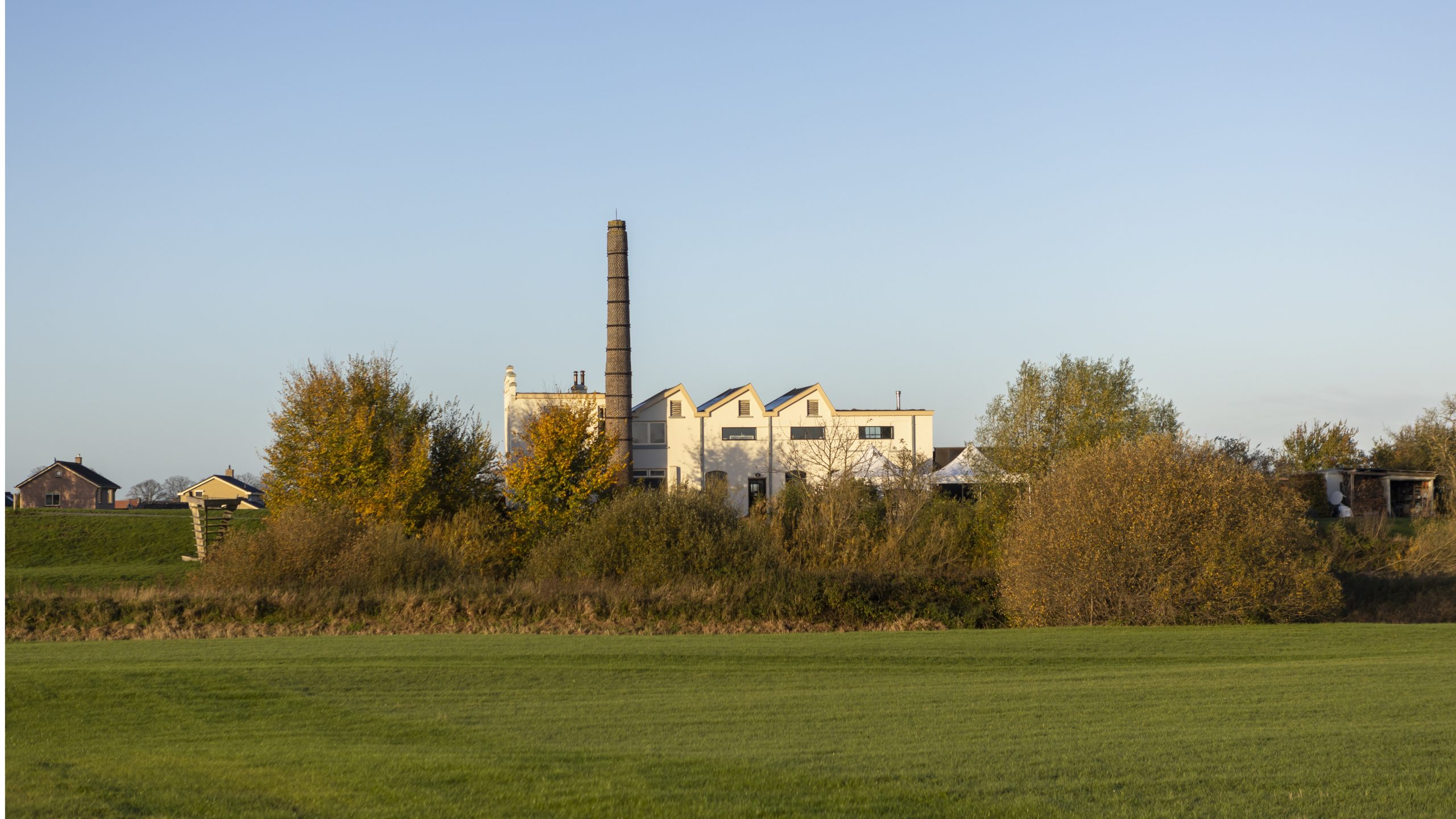
We often forget that industry has a specific postal address. Industry is, above all, just another neighbor.
-
When an industry sets up in a municipality, the municipality is transformed. And when an industry leaves, the impact is not only economic: it is social, demographic, and territorial.
-
Industry is the sun of a planetary system of services. The multiplier effect of an industrial plant in a small or medium-sized municipality can be decisive for the economic viability of the entire territory.
-
Energy development shapes industrial development, and the latter, in turn, determines the viability of municipalities.
-
A municipality can be a strategic ally of industry in the energy transition process, provided it has the appropriate capabilities, resources, and frameworks for collaboration.
February 13, 2026
We often forget that industry has a specific postal address. When we talk about reindustrialization, strategic autonomy, or energy transition, attention invariably turns to Brussels, to ministries, or, at best, to regional governments. However, there is one actor that remains systematically invisible in this debate and yet is absolutely decisive: the municipality. Because the final decision about where a factory is located, where a production plant is built, or where a logistics hub is deployed is always made by a town council.
Industry is just another neighbor.
This reality, as obvious as it is overlooked, has profound implications that go far beyond the purely administrative. The municipality is not a passive recipient of industrial investments nor a mere processor of permits. It is, in fact, the starting point of any industrial project. Each plant, each industrial park, or each research center is not an abstract entity within a national strategy, but a physical reality embedded in specific communities. Industry is, above all, just another neighbor.
Municipalities—especially small and medium-sized ones—act as catalysts of industrial development. In fact, 40% of mid-sized companies in Spain are located in municipalities with fewer than 20,000 inhabitants, demonstrating that Spain’s industrial strength is not concentrated solely in large cities but is deeply rooted in the territory. In these places, a cycle of development can begin—or, if conditions are unfavorable, a long inertia of decline. On this board, the municipality is the “starting square” and often the referee that decides whether the game is played at all. These seemingly micro decisions have macro effects on employment, population retention, and the productive structure of the territory. When an industry sets up, the municipality is transformed. And when an industry leaves, the impact is not only economic: it is social, demographic, and territorial.
The gravitational pull of the factory
When an industry chooses its location based on the ease of management offered by a territory, it brings with it an entire ecosystem. It generates logistics services, auxiliary companies, local suppliers, retail activity, hospitality. Industry is the sun of a planetary system of services. The multiplier effect of an industrial plant in a small or medium-sized municipality can be decisive for the economic viability of the entire territory.
Conversely, when a factory closes or relocates due to lack of competitiveness, what is destroyed is not just an industrial building: the social fabric of a municipality is torn apart. Schools see their number of students decline, shops close, and the sense of community erodes. The loss of industrial activity often accelerates processes of depopulation, aging, and economic weakening. That is why speaking about industry is not only about production or competitiveness. It is about territorial models, regional balance, and real opportunities for municipalities that lie outside major urban hubs.
If we accept that territorial cohesion is a non-negotiable objective of European policies, then we must recognize that any serious industrial development strategy must place the municipality at the center.
Energy determines where industry anchors
Energy management has become a critical factor for industry. Access to competitive energy is no longer just a matter of costs, but of strategic viability. Volatile prices, grid constraints, difficulties in accessing new capacity, or delays in energy infrastructure can stall industrial projects or discourage key investments.
The energy transition adds another layer of complexity. Electrification of processes, integration of renewables, self-consumption, storage, or renewable hydrogen are decisions that directly affect industrial competitiveness, yet they are implemented locally. And it is at the municipal level where many of these solutions materialize—or are blocked.
Energy development shapes industrial development, and in turn determines the viability of municipalities. These are not three separate dimensions that occasionally intersect: they are three deeply interdependent variables that form a single system. A municipality that integrates its industrial development with its energy potential is, in reality, shaping housing policy, public services policy, and its own future.
Town councils that promote local energy infrastructure—renewables, smart grids, energy communities, or self-consumption initiatives—will be better positioned to attract and retain industrial investment. Otherwise, the lack of energy guarantees may discourage the establishment of energy-intensive industries, precisely those that generate the highest added value and quality employment.
The municipality as a strategic agent of the energy transition
A town council that facilitates the permitting of industrial self-consumption projects, promotes local energy communities involving industries in the industrial park, negotiates with operators to deploy charging infrastructure for logistics fleets, or reserves land for energy storage is directly contributing to the competitiveness of companies in its territory. It is acting—whether fully aware of it or not—as a genuine strategic agent of the energy transition.
However, many industrial municipalities lack the technical knowledge, resources, or even awareness of the role they can and should play in this process. They continue to see themselves as passive actors waiting for investments to arrive, instead of recognizing themselves as active agents capable of decisively shaping the viability and competitiveness of those investments through their energy and territorial decisions.
Proximity to the territory allows local administrations to identify specific needs, anticipate conflicts, and build consensus that facilitates the implementation of energy solutions. The municipality can be a strategic ally of industry in the energy transition process, provided it has the appropriate capabilities, resources, and frameworks for collaboration.
Strengthening the municipality as a node between industry, energy, and territory
The energy transition cannot be addressed solely from a technological or regulatory logic. It needs to incorporate a clear territorial dimension that takes into account the real capacity of municipalities to accompany industry in this process.
Industrial sovereignty is not measured solely in productive capacity or technological autonomy. It is also measured in the ability to sustain industrial activity across the territory in a balanced and competitive way. Without municipalities capable of hosting industry, there is no possible reindustrialization. Without accessible energy in the territory, there is no viable transition.
Strengthening industrial competitiveness therefore requires strengthening the role of the municipality as a key node linking industry, energy, and territory. This implies three fundamental changes:
First, explicitly recognizing the municipality as a strategic actor in industrial development and energy transition policies—not merely as an executor of decisions taken elsewhere. This means equipping it with technical capacities, resources, and effective channels of participation in decision-making.
Second, facilitating direct collaboration between municipalities and companies in defining industrial and energy projects. Creating spaces for dialogue where municipalities and industries can jointly identify opportunities, anticipate needs, and establish mutual commitments.
Third, making good practices visible and sharing them. Cases such as COVAP—an agri-industrial cooperative based in Pozoblanco, a municipality of 10,000 inhabitants—demonstrate that it is possible to build industrial leadership from small territories when there is strategic vision and local commitment. There are municipalities doing extraordinary work in attracting sustainable industry, deploying energy infrastructure, or creating decarbonized industrial ecosystems. Yet these experiences often remain invisible, preventing other municipalities from learning from them.
Looking local to think global
At a time when Europe seeks to redefine its industrial model, it is worth remembering that major strategies rest on local decisions. Industry is not an abstraction: it has an address, a postal code, and neighbors.
European policies on energy resilience, digitalization, or green transition will succeed only if they translate into concrete opportunities on the ground: factories that open, workers who are trained, and municipalities that prosper. European industrial sovereignty begins in the municipality, because it is the municipality that ultimately implements—or fails to implement—that vision of autonomy and sustainability.
The challenge is clear. The question is whether we will be able to articulate an industrial development model that recognizes the municipality for what it truly is: not the end of the process, but its origin. Not a bureaucratic obstacle, but a strategic ally. Not a passive actor, but the true guardian of territorial cohesion and, ultimately, of the viability of any serious and sustainable reindustrialization project.